





Environment ❯ Climate ❯ Weather Patterns
Precipitation Rainfall Rain Events Tropical Storms Impact on Communities Flooding Cold Fronts Forecasting Severe Weather Events Low-Pressure Systems Heat Waves Severe Weather Wind Events Impact on Regions Flood Risks Local Weather Atmospheric Conditions Rainfall Events Coastal Weather Temperature Variations Regional Weather Meteorology Wind Patterns DANA Temperature Variability Impact on Local Areas Flooding Risks Cyclones Meteorological Alerts Polar Troughs Thunderstorms Low Pressure Systems Borrascas Wind Conditions Cool Down Low-Pressure Areas Impact on Urban Areas Michigan Ciclogénesis Meteorological Events Coastal Erosion Impact Days Atlantic Fronts Hydrological Events Humidity Levels Northern California Pacific Storm System Humidity Gota Fría Impact on Activities North Rhine-Westphalia Cold Front Effects Cold Weather Systems Impact of Weather Ciclones Extratropicais Drought Impact Moisture Levels Hessen Hurricane Effects Frontal Systems Rainfall and Snowfall Moist Air Masses Impact on Travel Cold Weather Tornado Formation Travel Safety Thunderstorm Characteristics Atmospheric Rivers Impact on Daily Life Tornado Activity Tropical Cyclones Hazardous Weather Meteorological Analysis Impact on Society Tropical Weather Impact on Tourism Impact on Areas Thunderstorm Activity Hailstorms Seasonal Weather Regional Effects Impact on Infrastructure Tropical Nights Thunderstorm Risks Gusty Winds Torrential Rain DANA Events Impact on Nature DANA (Depresión Aislada en Niveles Altos) Dana
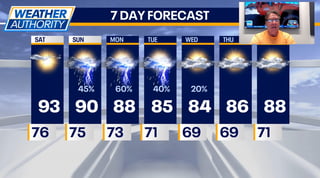
The National Weather Service expects a breezy, drier pattern to hold through the week with highs near 90 degrees.
