





Overview
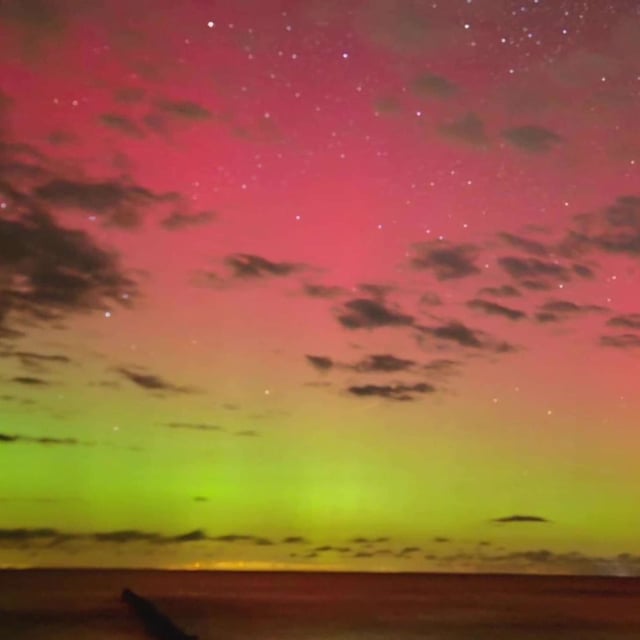
- Observers reported colorful skies across coastal regions including Dagebüll, Zingst and Hooksiel during the night of Sept. 29–30.
- Numerous sightings and photos were logged by members of the Arbeitskreis Meteore e. V., with some displays visible to the naked eye.
- Meteorologists had flagged a higher likelihood of aurora that night based on recent measurements and forecasts.
- Spaceweather.com and other commentators noted no significant CME headed toward Earth, pointing to equinox-enhanced geomagnetic coupling as the driver.
- Some local reports labeled the event a solar storm, while guidance highlighted northern, low-light sites and long-exposure photography to improve visibility.