

Particle.news
Download on the App Store

Trump Administration Proposes Rescinding 2024 Drilling Limits on 13 Million Alaska Reserve Acres

Interior Secretary Doug Burgum has opened a 60-day public comment period following his finding that the 2024 rule exceeded its statutory authority

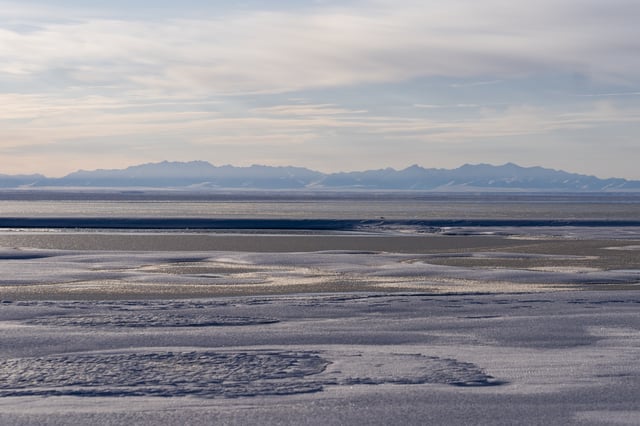
FILE - The Kaktovik Lagoon and the Brooks Range mountains of the Arctic National Wildlife Refuge are seen in Kaktovik, Alaska, Oct. 15, 2024. (AP Photo/Lindsey Wasson, File)
CORRECTS TO ANCHORAGE INSTEAD OF DEADHORSE - People hold signs during a protest outside the annual Alaska Sustainable Energy Conference on Tuesday, June 3, 2025, in Anchorage, Alaska. (AP Photo/Jenny Kane)
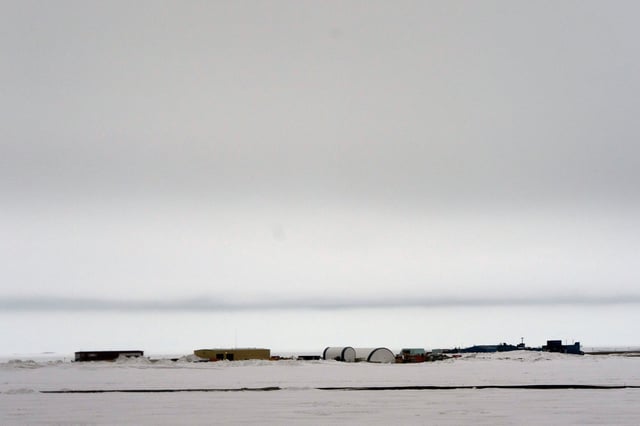
This image taken through a window of a plane shows airport buildings in Deadhorse, Alaska on Monday, June 2, 2025. (AP Photo/Jenny Kane)
CORRECTS TO ANCHORAGE INSTEAD OF DEADHORSE - EPA Administrator Lee Zeldin, second from right, speaks during the annual Alaska Sustainable Energy Conference on Tuesday, June 3, 2025, in Anchorage, Alaska. From left, Alaska Gov. Mike Dunleavy, Energy Secretary Chris Wright, Zeldin and Interior Secretary Doug Burgum. (AP Photo/Jenny Kane)

Overview

  • The proposal would annul Biden’s April 2024 rule that barred drilling on roughly 10.6 million acres and imposed restrictions on an additional 2 million acres of the 23-million-acre National Petroleum Reserve in Alaska.
  • Interior Secretary Doug Burgum argues the 2024 rule exceeded the authority of the 1976 Naval Petroleum Reserves Production Act and diverted from Congress’s intent to support responsible energy development.
  • The NPR-A is estimated to hold about 8.7 billion barrels of recoverable oil and 52.8 trillion cubic feet of natural gas, and expanded leasing could potentially quadruple oil output on Alaska’s North Slope.
  • Supporters such as Voice of the Arctic Inupiat president Nagruk Harcharek say the move recognizes Alaska Native partnership in resource development; environmental groups warn it threatens critical wildlife habitat and worsens climate change.
  • Conservation groups are poised to file legal challenges as the 60-day public comment period concludes and the Interior Department prepares final rulemaking steps this summer.