





Overview
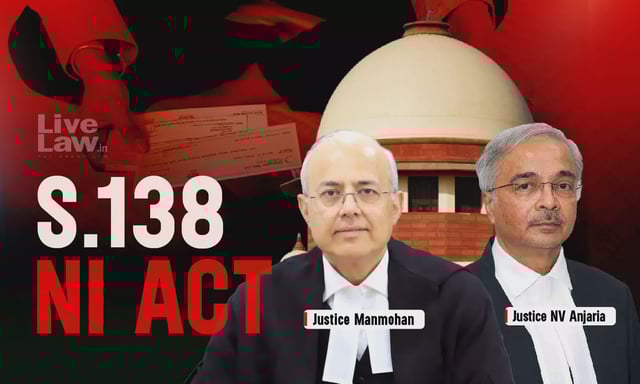
- A Supreme Court bench of Justices Manmohan and N.V. Anjaria directed threshold disposal of cheque-dishonour complaints when an accused is ready to pay on the first day.
- The court revised compounding costs to 0% before defence evidence, 5% after evidence but before judgment, 7.5% in revision or appeal before sessions or high courts, and 10% at the Supreme Court.
- The judgment recognises voluntary compromise and extends eligibility for relief under the Probation of Offenders Act to Section 138 convicts, with magistrates free to suggest a guilty plea where complainants demand more than the cheque amount.
- Procedural reforms include expanded service through personal delivery, email and WhatsApp, QR or UPI payment options for immediate settlement, one-page case synopses, monitoring dashboards and calibrated use of virtual and physical hearings, with the court citing pendency of about 650,000 cases in Delhi, 117,000 in Mumbai and 265,000 in Kolkata.
- Separately, the Punjab & Haryana High Court held that bail cannot be refused solely for failing to deposit 20% under Section 148 and directed that appeals be prioritised and decided preferably within 60 days and not later than 90 days where inability to deposit would otherwise keep a convict in custody, clarifying that such deposits are not prerequisites for filing an appeal or suspending sentence.