




Overview
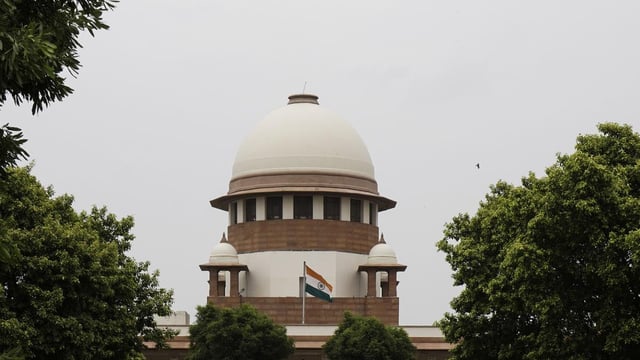
- On August 19, a five-judge bench led by CJI B.R. Gavai began hearing President Droupadi Murmu’s Article 143 reference posing 14 questions that stem from the April 8 ruling on timelines for gubernatorial and presidential action on state bills.
- The Court first heard Kerala and Tamil Nadu challenge the reference’s maintainability, but the bench said it is in advisory jurisdiction, asked what problem exists with the President seeking guidance, and stressed it will not overrule the Tamil Nadu judgment.
- Attorney General R. Venkataramani argued that Articles 200 and 201 form part of the Constitution’s basic structure and said the April ruling’s timelines and concept of “deemed assent” dilute the roles of the President and Governors.
- Solicitor General Tushar Mehta warned that Article 142 cannot be used to create “deemed assent” and cautioned of “constitutional disorder,” as some judges described the Tamil Nadu facts as “egregious” and indicated that conclusion was not a precedent.
- A separate three-judge bench deferred Punjab’s plea over delays on the Punjab Police (Amendment) Bill, 2023 and the Sikh Gurdwaras (Amendment) Bill, 2023 until the Constitution Bench delivers its opinion, with further hearings scheduled into September.