


Overview
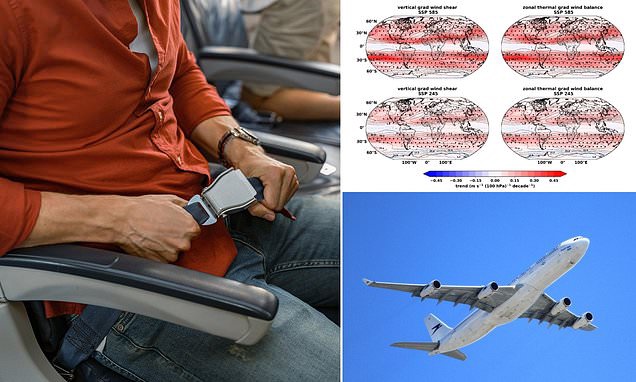
- The peer‑reviewed University of Reading paper, published in the Journal of the Atmospheric Sciences, analyzes 26 climate models to assess jet‑stream changes from 2015 to 2100.
- Models project upper‑level wind shear increasing by roughly 16–27% and atmospheric stability declining by 10–20%, conditions that favor clear‑air turbulence.
- The largest effects appear under the high‑emissions SSP5–8.5 pathway, with impacts expected across both the Northern and Southern Hemispheres.
- Clear‑air turbulence is invisible to radar and hard to avoid, and the authors say airlines may need longer seatbelt advisories, more frequent pauses in cabin service, and better detection technology.
- Context from prior research and industry data includes a reported 55% rise in severe‑turbulence hours since 1979 and estimated U.S. airline costs of $150–500 million annually.