





Overview
- The Asociación Argentina de Alergia reports roughly a 30% increase this spring in visits for rhinitis, asthma and allergic conjunctivitis, a rise also documented by the Hospital de Clínicas.
- Specialists point to early flowering, higher temperatures and pollution as key drivers, with urban trees such as plátanos and grass pollens contributing to peaks.
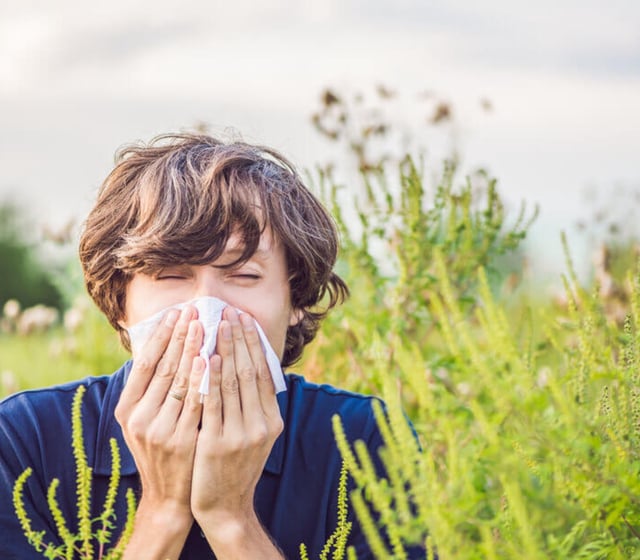
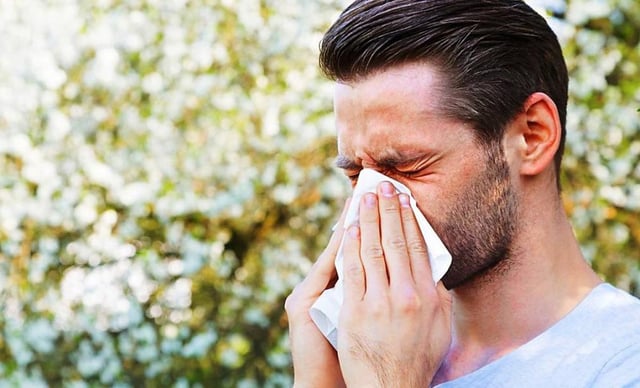
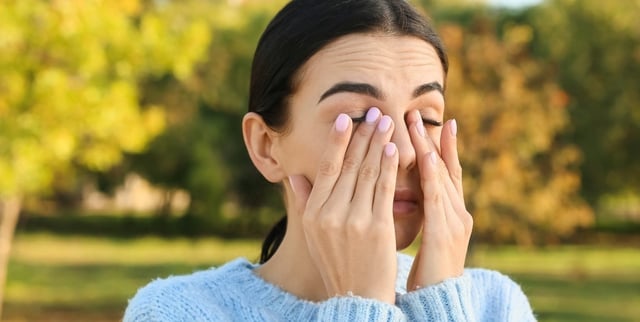
- Typical signs include frequent sneezing, watery nasal discharge, itchy eyes, throat or ears, mild cough and fatigue, which are often mistaken for viral colds.
- Exposure-reduction advice includes keeping windows closed, using HEPA or MERV-rated filtration, showering and changing clothes after being outdoors, and avoiding drying laundry outside during high pollen periods.
- Treatment commonly includes antihistamines and intranasal corticosteroids, with antileukotrienes when indicated and allergist-guided immunotherapy for moderate to severe cases, as pharmacies report higher sales of related medicines.