



Overview
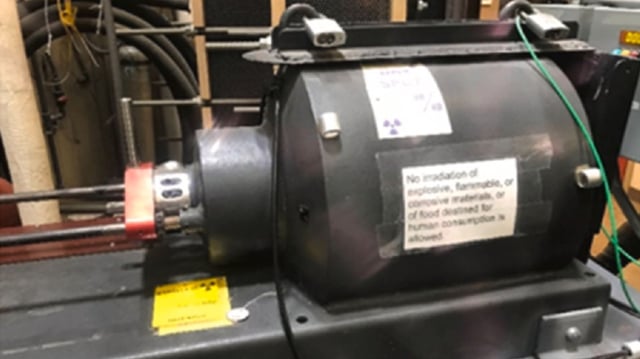
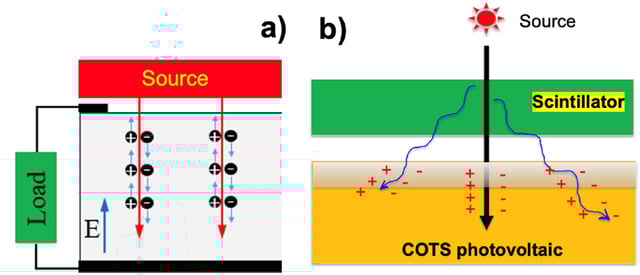
- Researchers at Ohio State University created a prototype nuclear battery that converts gamma radiation from atomic waste into electricity using scintillator crystals and solar cells.
- The battery demonstrated power outputs of 288 nanowatts with cesium-137 and 1.5 microwatts with cobalt-60, enough to power small sensors or microchips.
- The device, roughly the size of a sugar cube, offers a promising way to repurpose nuclear waste while addressing challenges related to radioactive byproducts of nuclear power generation.
- Potential applications include powering devices in high-radiation environments like nuclear waste storage facilities, space missions, and deep-sea exploration, though it is not intended for public use.
- Further research is required to scale up the technology, improve power output, and reduce manufacturing costs, with researchers optimistic about its future role in energy production and sensor technologies.