


Overview
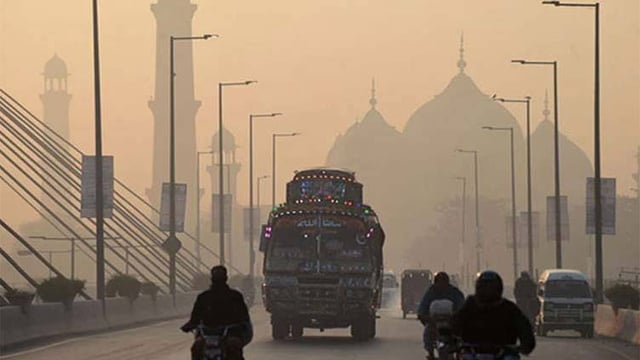
- Initial readings showed Lahore’s AQI at 62 after overnight rain, later averaging 79 with hotspots at UET (116) and Egerton Road (114) and lows at Jandiala Kalsan (44), as data analysis expanded to 18 districts.
- A Smog War Room linked to the PITB dashboard now coordinates responses, with drone and smart-surveillance detections prompting enforcement actions within 48 hours, including FIRs, fines, sealing, and demolitions.
- The monitoring network comprises 41 air-quality stations with expansion to 100 planned, and authorities say timely AQI information is being shared publicly for the first time.
- Emission controls include more than 300,000 vehicle fitness tests this year, real-time industrial emissions tracking through an online EPA system, fuel-quality inspections, and a phased crackdown on the plastic industry.
- Cleaner-transport and public health measures feature about 1,100 electric buses with 1,000 more expected, a strict ban on crop-residue burning, mobile hospital units on standby, and a shift to a year-round smog strategy supported by new sanitation equipment.