



Overview
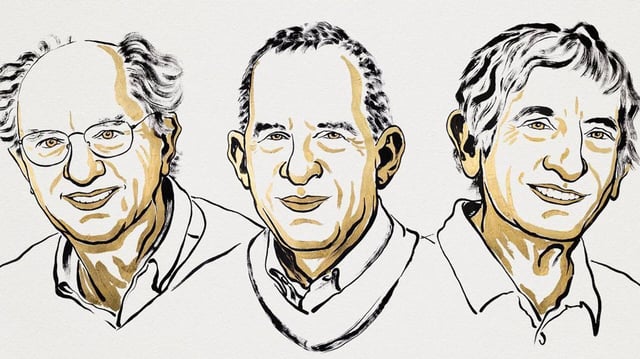
- The Royal Swedish Academy awarded the physics prize to John Clarke, Michel Devoret and John Martinis for demonstrating macroscopic quantum tunneling and energy quantization in superconducting circuits built on Josephson junctions in the mid‑1980s.
- The physics committee said these results opened the way to next‑generation quantum technologies, underpinning today’s superconducting qubits at Google and IBM as well as ultra‑sensitive SQUID‑type sensors used in medicine and geophysics.
- Researchers and industry figures described the work as bringing quantum behavior into ordinary electrical circuits, fueling the current boom in quantum information science and enabling applications from magnetocardiography to precision navigation.
- A day earlier, the medicine prize went to Mary Brunkow, Fred Ramsdell and Shimon Sakaguchi for discoveries in peripheral immune tolerance and regulatory T cells that could yield safer, more targeted treatments for autoimmune disease and transplant rejection.
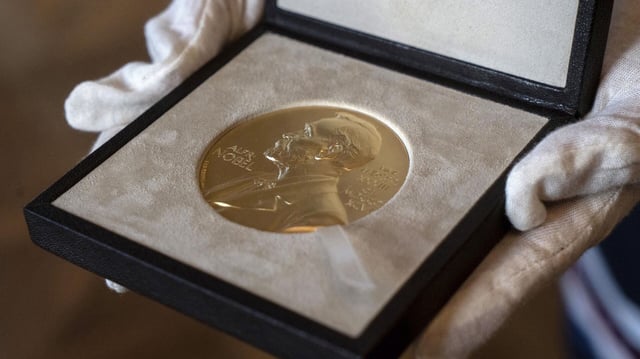
- Nobel week continues with the chemistry laureate due today in Stockholm, and each 2025 prize carries 11 million Swedish kronor.