





Overview
- QR codes will provide instant digital access to nearby services such as hospitals, fuel stations, toilets, police stations, restaurants, toll plazas, truck lay-bys, repair shops and EV charging points.
- Each board will display project details including the highway number, chainage, length and construction or maintenance periods, along with contacts for highway patrol, toll managers, project managers, resident engineers, NHAI field offices and the emergency helpline 1033.
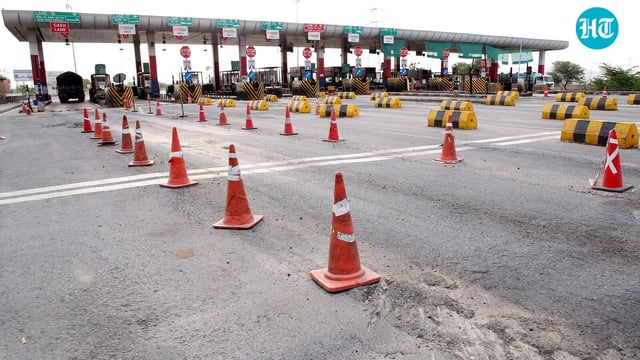
- Placement is planned at high-visibility points including wayside amenities, rest areas, toll plazas, truck lay-bys and the start or end of highway projects.
- The initiative is intended to improve road safety through quicker access to help, increase transparency of highway projects and enhance the overall user experience.
- Media reports describe guidelines specifying board dimensions and materials, a minimum 10-year readability requirement and a 30-day replacement window for damaged or faded signs, following earlier rules introduced in 2023 and updated after a 2024 review.