




Overview
- Repeat August 2025 images from identical sites document shrinking alpine ice, with experts calling the Watzmann and Blaueis glaciers acutely threatened and warning the Nördlicher Schneeferner may soon lose glacier status.
- Alpine glaciers have already lost more than half their area and about a third of their ice since 1850, and models project a further steep decline by mid-century, with only the Höllentalferner possibly lasting into the 2030s.
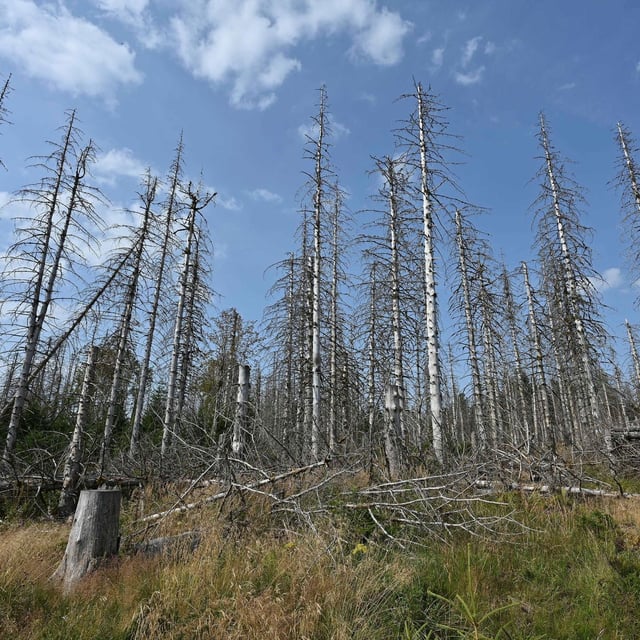
- Federal data show four out of five trees among common species are damaged and recent inventories indicate Germany’s forests have shifted from net carbon sink to net source.
- Comparative photos show falling lake levels such as at Arendsee, and officials warn of ecological and practical impacts including habitat loss, poorer water quality and navigation problems.
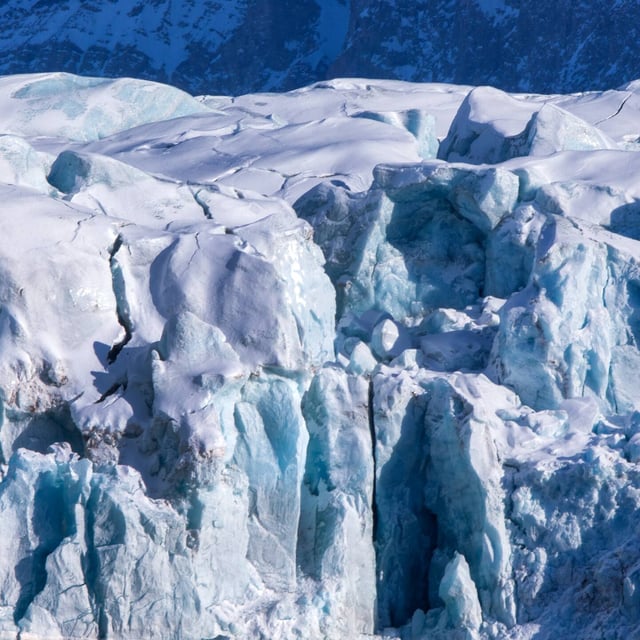
- A PNAS analysis finds Spitzbergen lost about 61.7 gigatonnes of ice in summer 2024—most within six weeks—contributing roughly 0.27 mm to global sea level (0.16 mm from Spitzbergen alone), with researchers expecting such extremes to become more frequent by century’s end.