




Overview
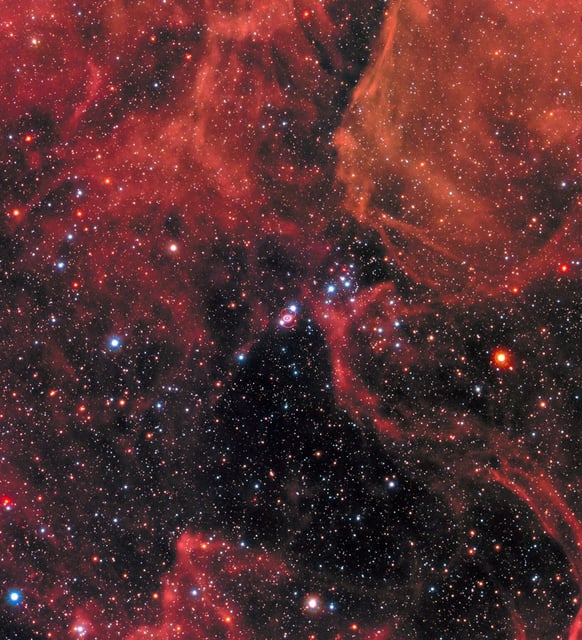
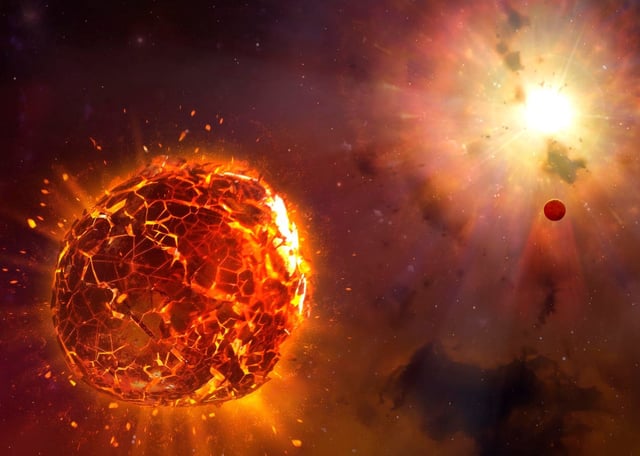
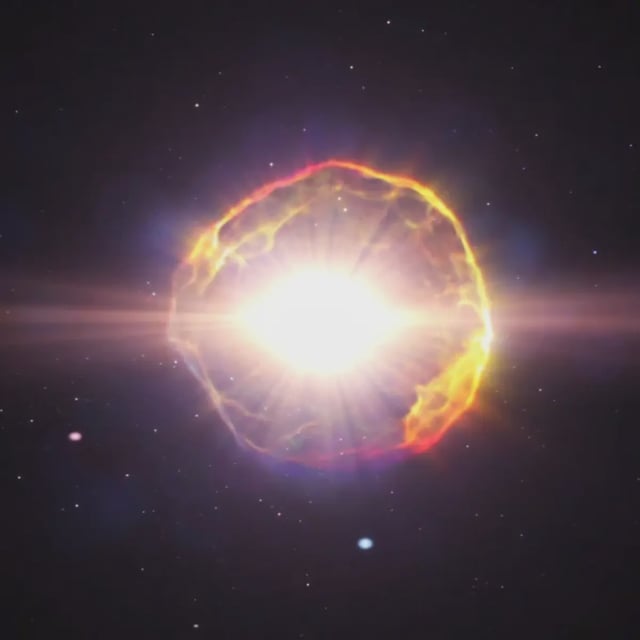
- A study by Keele University and the University of Alicante found that supernovae within 65 light-years of Earth likely caused two mass extinctions 372 and 445 million years ago.
- The late Devonian extinction wiped out 70% of species, while the Ordovician extinction eliminated 60% of marine invertebrates when life was primarily ocean-based.
- Supernovae may have stripped Earth's ozone layer, exposing life to harmful UV radiation and triggering long-term environmental changes like glaciation.
- Researchers used data from the Gaia satellite to calculate a near-Earth supernova rate of 2.5 per billion years, aligning with the timing of these extinctions.
- Astronomers assure that no nearby stars are currently close enough to pose a supernova-related threat to Earth for millions of years.