




Overview
- University of Cambridge researchers reported the findings at the ECTRIMS conference in Barcelona, with funding from the MS Society.
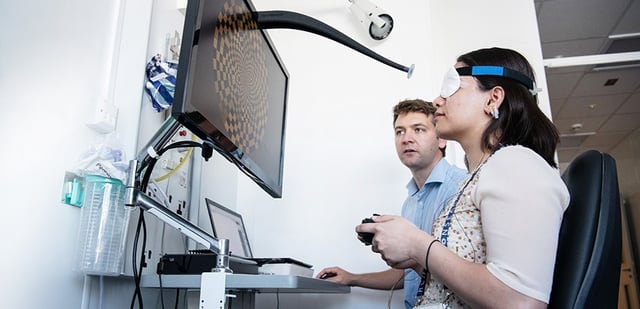
- About 70 people with relapsing MS were randomized for six months, and the primary visual evoked potential measure favored the drug combination over placebo.
- Participants did not feel clinically better during the trial period, reflecting a goal of protecting nerves over time rather than restoring cells already lost.
- Common side effects included clemastine‑related fatigue and metformin‑related diarrhea, and investigators reported no serious adverse events.
- Researchers cautioned against off‑label use and called for larger, longer, peer‑reviewed studies, saying validation could pave the way for a new class of remyelination therapies.