

Overview
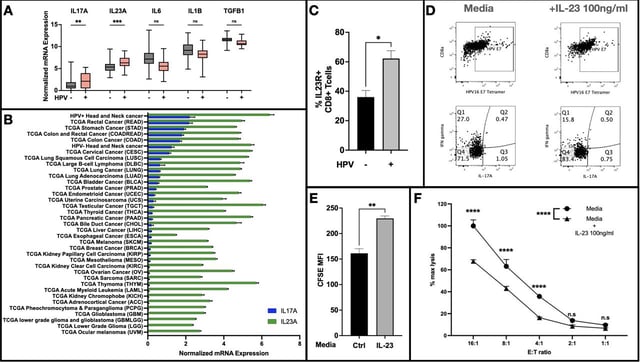
- USC researchers report that HPV16 E6 and E7 drive IL-23 production from tumor-associated macrophages, suppressing anti-tumor T-cell activity.
- Mechanistic analyses, including RNA and chromatin studies, identify KLF2-mediated upregulation of IL-23 as a key pathway in immune evasion.
- In mouse models, neutralizing IL-23 increased tumor-infiltrating, tumor-killing T cells and extended survival, with the strongest effect seen with an experimental therapeutic HPV vaccine.
- IL-23–targeting antibodies are already FDA-approved for inflammatory diseases, indicating a feasible route to test combinations in HPV-driven cancers, though no human cancer trials are yet reported.
- The study, published in the Journal for ImmunoTherapy of Cancer (2025; DOI: 10.1136/jitc-2025-011915), notes the USC team is developing a therapeutic vaccine to evaluate with IL-23 blockade and flags possible relevance to other IL-23–high cancers.