



Overview
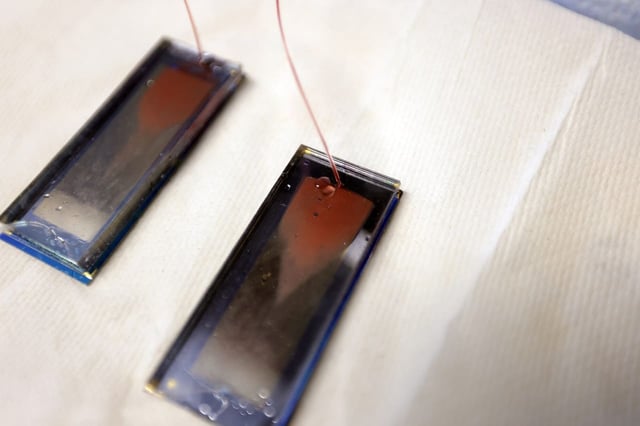
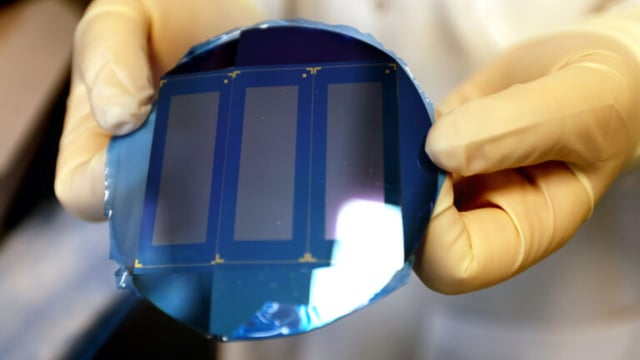
- Researchers at the University of Michigan have developed a microchip, known as the 'GO chip', that can assess the efficacy of cancer treatments as early as the fourth week by analyzing a patient's blood for cancer cells.
- The chip uses graphene oxide sheets with antibodies to recognize and trap cancer-specific markers on cell surfaces, allowing researchers to count and confirm their cancerous nature.
- The chip's ability to analyze the cells' biochemistry helps understand variations between patients and treatment stages, potentially allowing for personalized adjustments for better outcomes.
- In a recent test, the GO chip monitored lung cancer treatments, collecting cells from 26 chemotherapy and immunotherapy patients at different treatment weeks.
- The study found that if cancer cells in a patient’s blood don’t decrease by at least 75% after four weeks of treatment, the cancer is more likely to persist. Cells from non-responsive patients showed activated genes, potential targets for future therapies.