




Overview
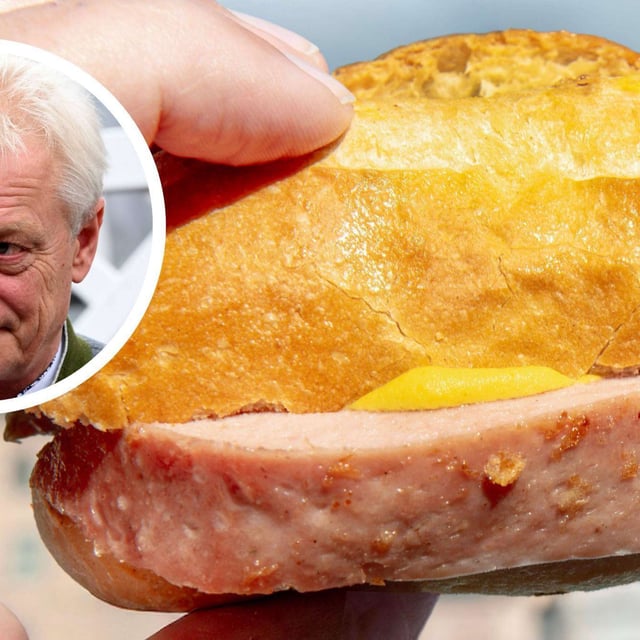
- Agriculture Minister Alois Rainer told ARD’s Panorama that climate protection has nothing to do with meat consumption, a stance his ministry later declined to clarify.
- Climate Minister Carsten Schneider avoided endorsing reductions in meat intake, saying he rejects framing climate action in opposition to current consumption habits.
- Germany’s environment agency and other experts cite livestock as a major source of methane and nitrous oxide, with agriculture responsible for about 14% of national emissions and livestock a dominant share.
- The government’s scientific advisory council (WBAE) urges ending reduced VAT for meat and introducing labels and incentives for alternatives, but Rainer opposes a tax rise and the finance ministry says no changes are planned.
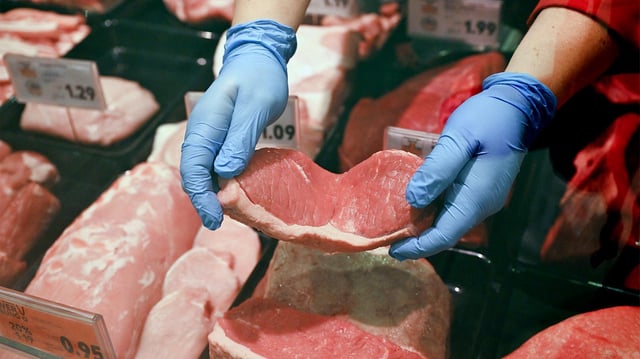
- Researchers including PIK’s Hermann Lotze-Campen say Paris targets require far less animal-product consumption, noting Germans average over 1 kg of meat weekly versus the DGE recommendation of no more than 300 g.