


Overview
- Scientists from Johns Hopkins University and Cold Spring Harbor Laboratory have identified genes that control fruit size in tomatoes and eggplants through genome mapping and gene editing.
- The study utilized CRISPR-Cas9 technology to modify specific gene duplicates, or paralogs, resulting in larger, more viable fruits without compromising their commercial potential.
- The research is part of a broader effort to map the complete genomes of 22 crops in the nightshade family, including tomatoes, potatoes, and peppers, to enhance agricultural traits globally.
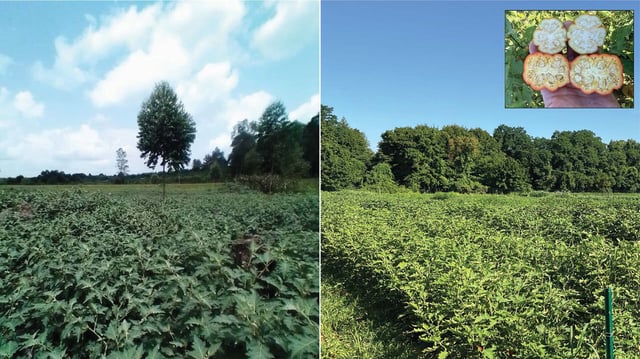
- One breakthrough involved editing the SaetSCPL25-like gene in African eggplants to increase fruit size, a discovery that was successfully applied to tomatoes as well.
- This approach, termed 'pan-genetics,' highlights the benefits of cross-species genetic studies, aiming to improve crop diversity, yield, and resilience worldwide.