





Overview
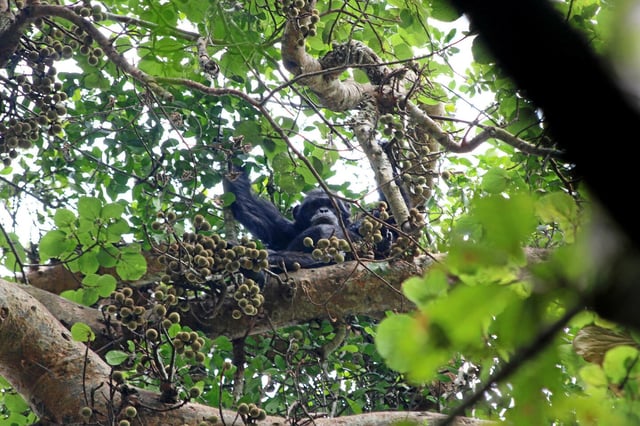
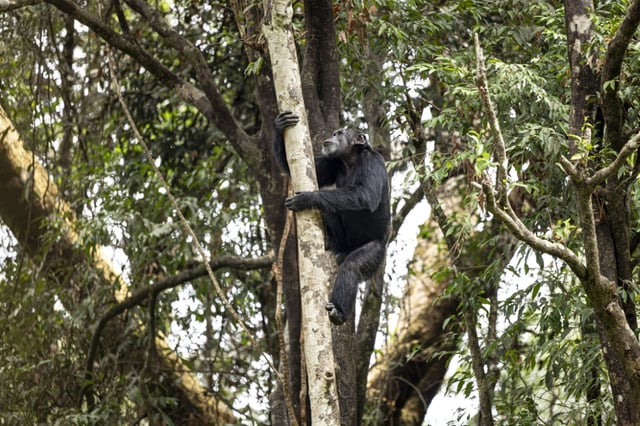
- Researchers from UC Berkeley reported in Science Advances that fruits eaten by chimpanzees in Ngogo, Uganda, and Taï, Côte d'Ivoire, contain measurable ethanol from natural fermentation.
- Measured pulp averaged roughly 0.3–0.4% alcohol by volume, and when combined with long-term feeding data, the team estimated an intake of about 14 grams of ethanol per day.
- The calculated dose scales to a human body-weight equivalent of roughly two glasses of wine, indicating physiologically meaningful exposure in the wild.
- The findings support the long-debated 'drunken monkey' hypothesis advanced by co-author Robert Dudley, suggesting ancestral primate exposure shaped human attraction to and metabolism of alcohol.
- The authors note they have not shown intoxication or preference for higher-ethanol fruits and call for longitudinal behavioral tracking and urine metabolite analyses to determine biological and behavioral effects.