







Overview
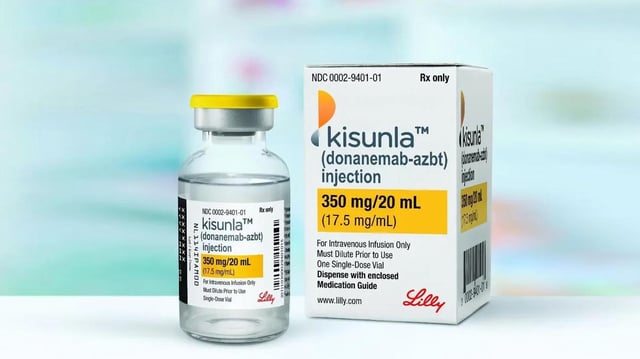
- The European Commission cleared Donanemab (Kisunla) on September 25 as the EU’s second anti‑amyloid therapy, following Lecanemab, which has been available in Germany since September 1.
- Use is restricted to early‑stage, biomarker‑confirmed Alzheimer’s with zero or one ApoE4 allele, delivered by specialist teams with regular MRI surveillance and exclusions such as certain anticoagulants.
- Clinical data show robust amyloid plaque removal in many patients and a modest effect on cognition, with roughly 35% less decline and a median delay of about four months, confirming it is not a cure.
- Safety risks include amyloid‑related imaging abnormalities with brain swelling and bleeding, reported in roughly 24–37% of trial participants on MRI, with some fatal events prompting intensive monitoring.
- Experts expect only about 1 in 100 patients to qualify in Germany—fewer than 12,000 of roughly 1.2 million—while availability is projected in the coming months as centers prepare and reimbursement talks continue, with costs estimated at about €24,000 for the drug plus ~€10,000 yearly for monitoring.