





Overview
- The peer‑reviewed PNAS study, led by NASA’s Norman Loeb, analyzes continuous satellite records from 2001 to 2024 and finds a global decline in reflected sunlight.
- The hemispheres are diverging by about 0.34 watts per square meter per decade at the top of the atmosphere, with the Southern Hemisphere gaining energy and the Northern showing a net loss.
- Northern sea‑ice and snow declines reduced surface albedo, increasing absorbed solar energy and contributing to the sharper darkening in the north.
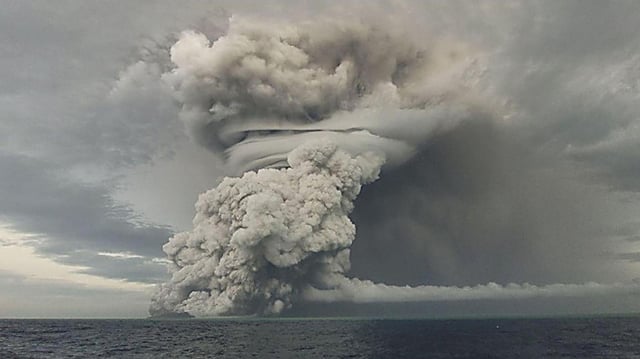
- Anthropogenic aerosol pollution dropped across the Northern Hemisphere due to emissions controls, while Australian wildfires and the 2021–22 Hunga Tonga eruption boosted aerosols in the south.
- The authors report limited evidence that clouds compensate for the imbalance and urge updates to climate models and energy‑budget assessments.