





Overview
- The Embrace Project and the Centre for Applied Legal Studies asked the Constitutional Court to confirm a Pretoria High Court ruling that struck down key consent provisions enabling a subjective belief-in-consent defence.
- Advocates urged a shift to an objective or affirmative test requiring reasonable steps to establish agreement, pointing to trauma responses like freezing and South Africa’s low rape-conviction rate cited in court.
- CALS argued for redefining rape around coercion rather than consent, while Embrace maintained that an affirmative-consent model aligns with international best practice.
- The state did not oppose either side, warned that requiring accused persons to show how consent was obtained could affect the right to remain silent, and requested 36 months to amend the law if confirmation is granted.
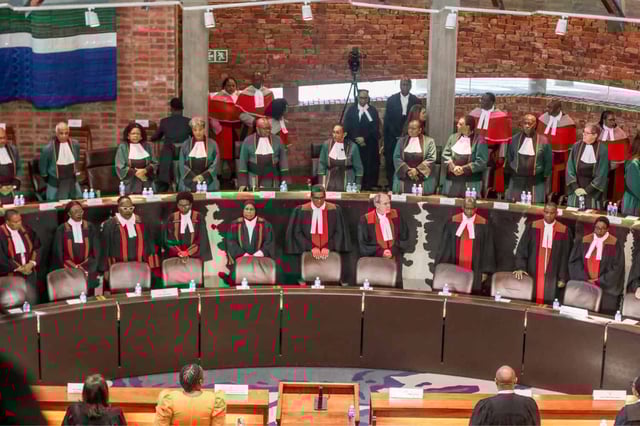
- Justice Nonkosi Mhlantla reserved judgment, leaving the High Court’s declaration of invalidity suspended for 18 months as Parliament awaits the court’s direction.